

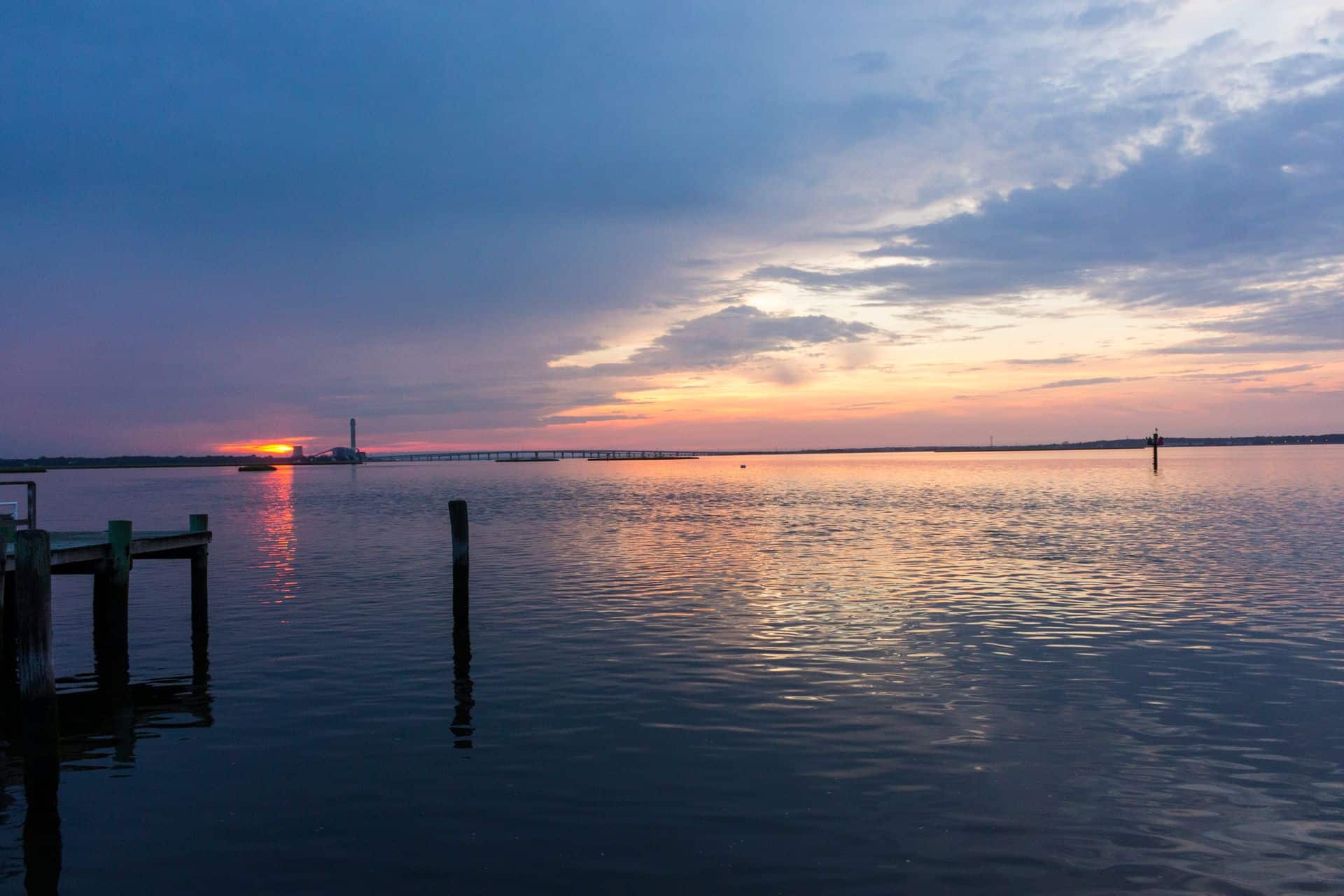
The Chesapeake Bay is not only a great expanse of water, it’s a place of colonial streets, working waterfronts, lighthouses, seafood shacks, and quiet riverside lanes. Annapolis and St. Michaels are popular destinations, but the area has much more to offer those who take time to visit its smaller towns. The towns each have a different perspective on the life of the Chesapeake, including historic churches, secluded nature trails, crab houses, ferry crossings and maritime museums.
St. Michaels: Maritime Heritage
St. Michaels is one of the most famous historic towns in the Bay and it’s not only for its picturesque harbour. The Chesapeake Bay Maritime Museum occupies waterfront property and features restored boats, active boatyards, oystering and watermen’s displays and the 1879 Hooper Strait Lighthouse.
The visitor can wander the streets that are full of 19th-century houses, explore galleries and boutiques and sample fresh seafood with a view of the Miles River. The War of 1812 history of the town adds to the character; local tradition has it that the people hung lanterns in trees to throw the British off, hence the town’s nickname “the town that fooled the British.”
Oxford: Quiet Waterfront Charm
Located in Oxford, Tred Avon River, the city seems to be a getaway from the more hectic places. It has shaded lanes, sailboats, historic residences and small waterfront beaches to explore by foot or bike. The Oxford Museum features local maritime and colonial history displayed with items donated by local families.
The town’s most memorable experience is the Oxford-Bellevue Ferry, which has been in operation since 1683, and is said to be the oldest privately operated ferry service in the U.S. The short crossing is used by cars, bicycles and walk-on passengers to cross the river providing an essential link and a pleasant excursion.
Chestertown: Colonial Streets and River Views
The town of Chestertown on Maryland’s Eastern Shore is a mix of colonial and college town. The eighteenth-century Custom House, a Georgian brick building overlooking the Chester River, is among its historic districts; it now houses the Starr Center for the Study of the American Experience.
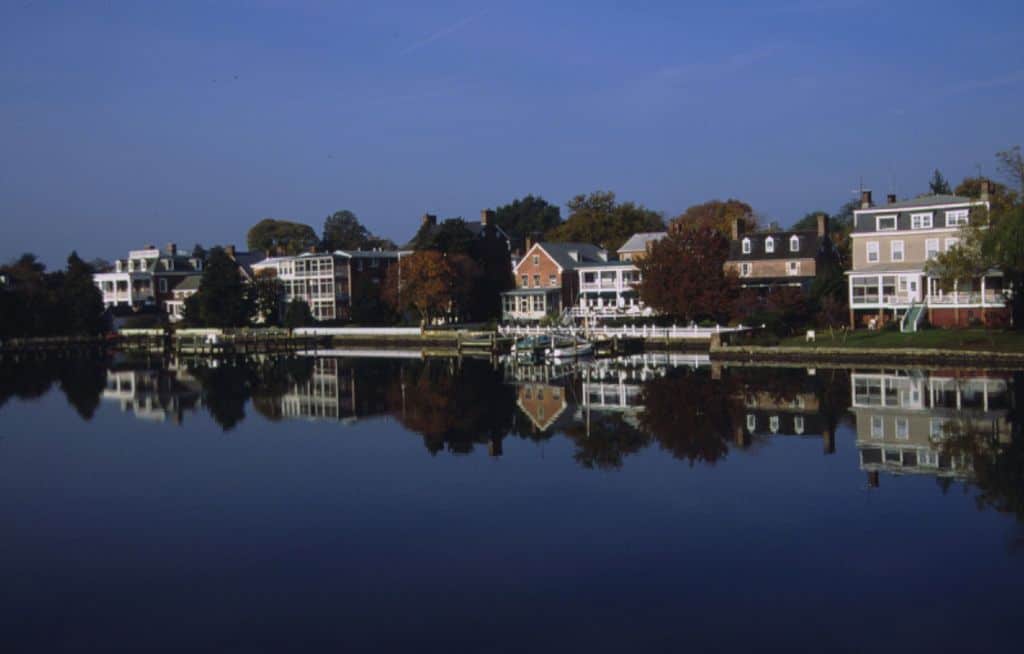
Stroll down High Street and make the most of the numerous cafes, galleries and independent shops, then head down to the water’s edge for river cruises. The annual Chestertown Tea Party Festival brings visitors to Chestertown in the Revolutionary era, as the town protested against Britain’s taxation.
Chesapeake City and the Canal
Chesapeake City lies on the Chesapeake and Delaware Canal, a viable waterway connecting the Chesapeake Bay to the Delaware River. It has been restored to its 19th century appearance, with small 19th century museums and restaurants lining the canal side, making it a good place for engineers and those with an interest in waterfront views. Maryland tourism touts it as one of the “old fashioned” towns in the Bay, along with Annapolis, St. Michaels, Cambridge and Crisfield.
Hidden Gems Beyond the Main Route
If you prefer to stay away from the hustle and bustle, try the city of Cambridge, with its Blackwater National Wildlife Refuge, historic streets and opportunities for birdwatching, kayaking and scenic drives. Further south, there’s a deeper dive into the Chesapeake seafood scene at Crisfield and Smith Island, where the community’s traditions and way of life are uniquely their own.
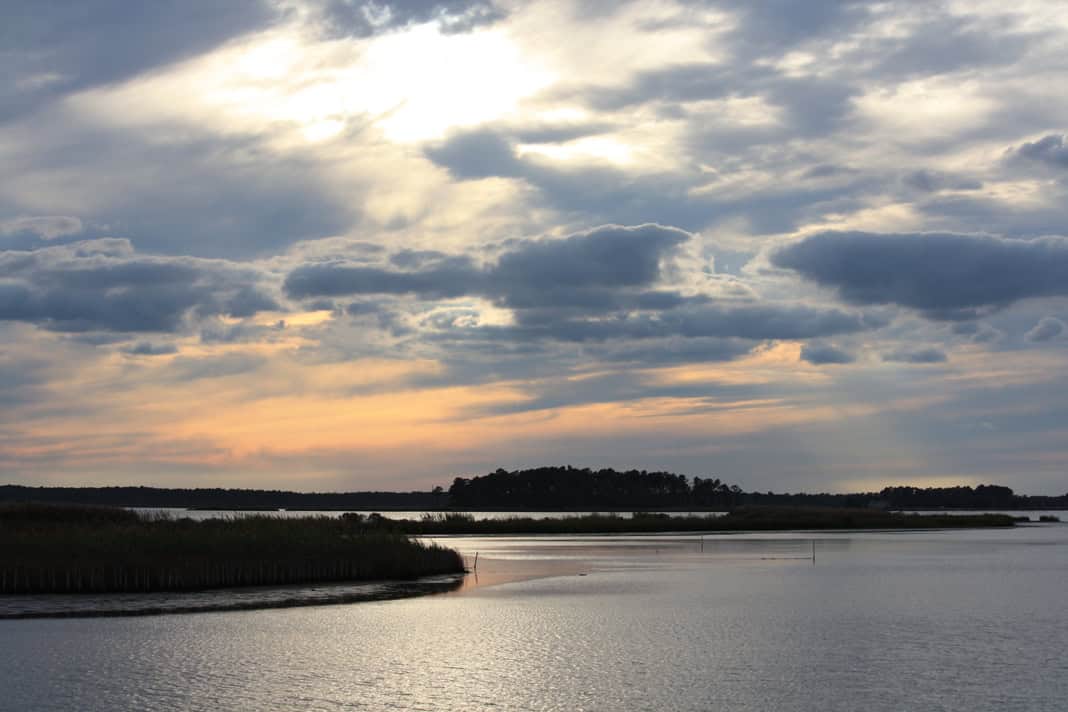
Another low-key place is Urbanna, Virginia. It is a small colonial era town, famous for its annual Oyster Festival and its laid-back waterfront atmosphere, which contrasts with other busier Bay towns.
Planning a Bay Journey
The best way to experience the Chesapeake is not to be in a hurry to get from place-to-place. Take one or two popular towns and one lesser-known town, allow for a ferry ride or river cruise, and sample local seafood from where it is caught. The spring and autumn are comfortable times of year, less crowded and with beautiful marsh and migrating bird views.
From historic sights to natural beauty, food, and more, the Chesapeake Bay’s towns offer a view of a region defined by water. Sometimes these treasures are not far away but in a side street, a small museum or a slow-talking beachside discussion.